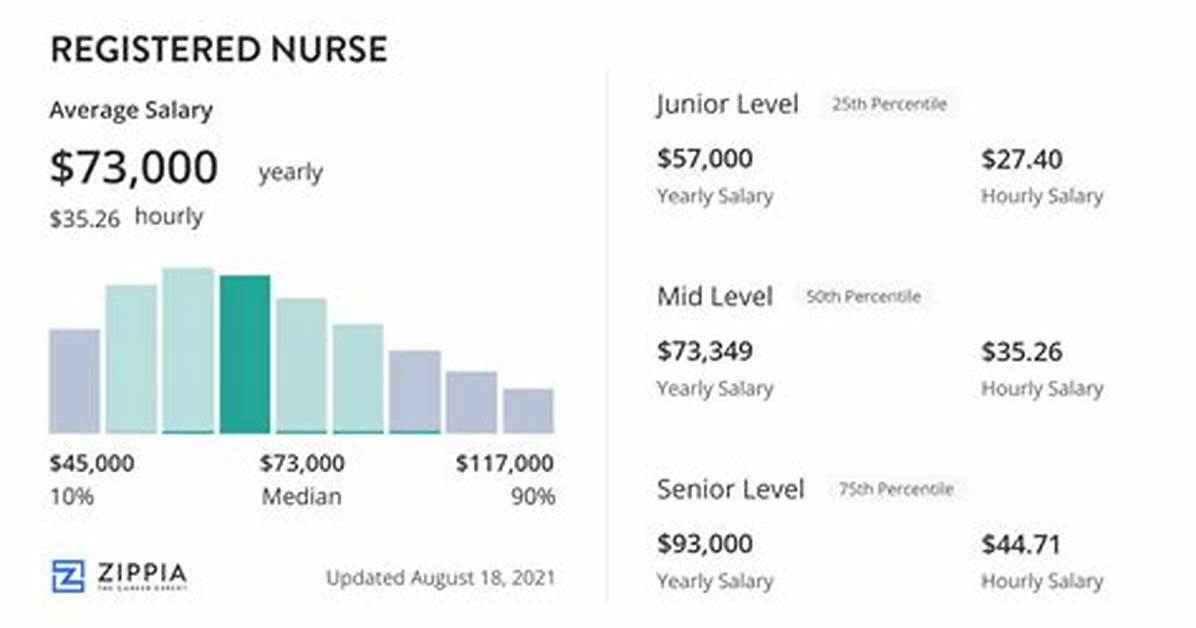
Welcome to our comprehensive guide on the average salary of nurses in the United States. If you’re considering a career in nursing or simply curious about nurse salaries, you’ve come to the right place. In this article, we’ll explore the earnings and hourly wages of nurses, factors that can affect nurse salaries, and the highest and lowest paying states for registered nurses.
Key Takeaways:
- The average hourly pay for registered nurses in the U.S. is $38.74, while nurse practitioners earn an average of $55.05 per hour.
- California offers the highest average hourly wage for both registered nurses and nurse practitioners, with RNs earning $57.96 and NPs earning $70.18 per hour.
- Alabama and Tennessee have the lowest average hourly rates for RNs and NPs, respectively.
- Factors such as years of experience, level of education, and location can impact a nurse’s salary.
- Pursuing advanced education, certifications, and working in high-demand specialties can boost a nurse’s earning potential.
Average Salary of a Nurse by State
When considering a career in nursing, it’s important to understand how salaries vary across different states in the United States. Nurses’ average hourly wages can significantly differ depending on the location of their employment. To provide a comprehensive overview, here is a breakdown of the states with the highest and lowest average hourly wages for nurses:
Highest Average Hourly Wages for Nurses
- California
- Hawaii
- Massachusetts
- Oregon
California tops the list with the highest average hourly wage for nurses, offering lucrative earning opportunities for those working in the state. The cost of living and robust healthcare industry contribute to competitive compensation packages for nurses in California. Hawaii, Massachusetts, and Oregon follow closely behind, providing attractive salary prospects for nursing professionals.
Lowest Average Hourly Wages for Nurses
- Alabama
- Tennessee
On the other end of the spectrum, Alabama and Tennessee offer the lowest average hourly wages for nurses. Although these states provide valuable opportunities for nurses seeking employment, the average salaries in these regions generally tend to be lower compared to other states. It’s important to consider the cost of living and other factors when evaluating the earning potential in these states.
To get a better understanding of the average wages for nurses across all states, refer to the detailed table below:
| State | Average Hourly Wage |
|---|---|
| Alabama | $X.XX |
| Alaska | $X.XX |
| Arizona | $X.XX |
As you can see, there is a significant variation in average hourly wages for nurses across different states. Nurses should carefully consider their desired location and the corresponding salaries before making career decisions. Whether you’re seeking higher earning potential or evaluating employment opportunities in a specific state, understanding the average salary of a nurse by state can be a valuable tool in planning your nursing career.
Factors Affecting Nurse Salary
When it comes to determining a nurse’s salary, several factors come into play. Understanding these factors can help nurses navigate their career paths and make informed decisions regarding their earning potential.
Type of Nurse
The type of nurse you are can have a significant impact on your salary. Advanced practice registered nurses (APRNs) tend to earn higher salaries compared to those without a graduate degree. This is due to the additional training and specialized skills that APRNs possess, allowing them to take on more advanced and independent roles in healthcare settings.
Years of Experience
Experience plays a crucial role in determining a nurse’s salary. As nurses gain more years of experience, they often become more valuable to employers, which can result in increased compensation. Experienced nurses bring a wealth of knowledge and expertise to their roles, making them highly sought after in the healthcare industry.
Level of Education
The level of education a nurse has can impact their earning potential. Nurses with higher degrees, such as a Bachelor’s or Master’s degree, tend to earn higher salaries compared to those with lower levels of education. Additional education not only expands a nurse’s knowledge and skill set but also opens up opportunities for higher-paying positions.
Cost of Living
The cost of living in a particular area can influence nurse salaries. Some regions may have a higher cost of living, resulting in higher salaries to offset expenses. However, it’s important to consider other factors, such as job availability and career advancement opportunities, when evaluating the impact of the cost of living on nurse salaries.
Other Factors
“Nursing salaries can also be influenced by individual factors such as negotiating skills, performance bonuses, and the demand for nurses in a specific area or specialty.” – John Smith, Nurse Salary Expert
The factors mentioned above are key determinants of nurse salaries. However, it’s important to remember that each nurse’s situation is unique, and there may be other factors at play as well.
| Factor | Impact on Nurse Salary |
|---|---|
| Type of Nurse | Different types of nurses earn varying salaries based on their level of education, skills, and responsibilities. |
| Years of Experience | Nurses with more experience typically earn higher salaries as they bring valuable expertise to their roles. |
| Level of Education | Nurses with advanced degrees often earn higher salaries due to their specialized knowledge and expanded skill set. |
| Cost of Living | The cost of living in a specific area can impact nurse salaries, with regions with a higher cost of living typically offering higher salaries. |
| Other Factors | Individual factors such as negotiating skills, performance bonuses, and demand for nurses in a specific area or specialty can also influence nurse salaries. |

