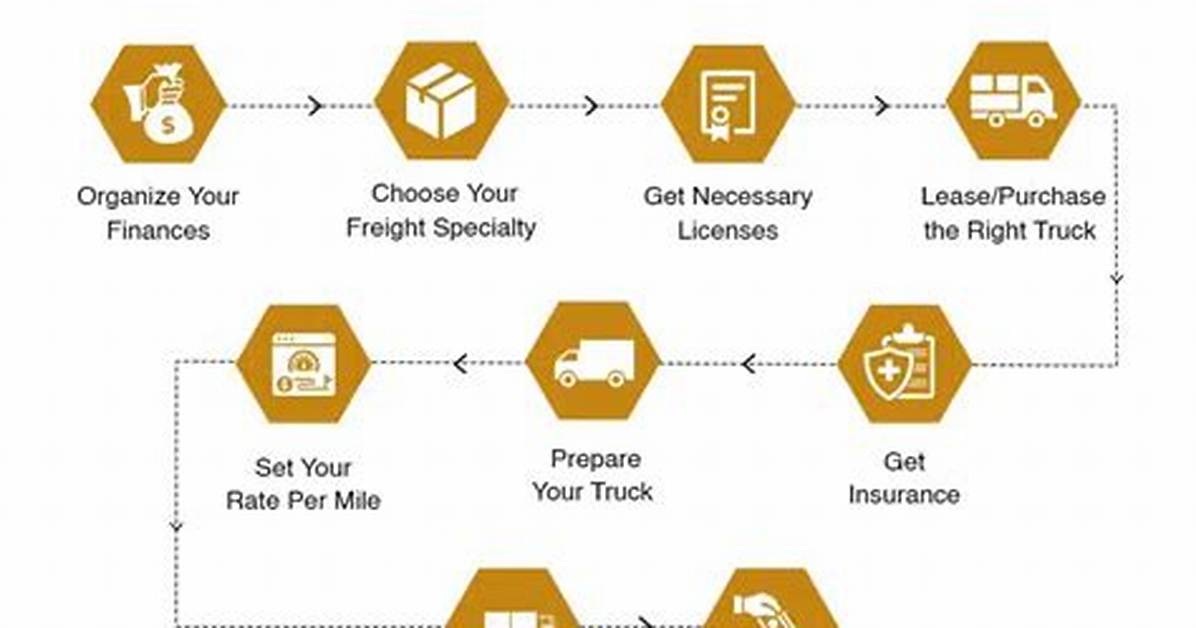
Starting a trucking business can be a lucrative venture, especially in the booming shipping and delivery industries. If you’re interested in entering this field, it’s important to understand the key steps and tips for success. In this article, we will provide you with a step-by-step guide on how to start a trucking business, equipping you with the knowledge to navigate this competitive industry.
Key Takeaways:
- Starting a trucking business requires careful planning and preparation.
- Writing a comprehensive business plan is crucial for success.
- Obtaining the necessary licenses and insurance is essential for legal compliance.
- Securing financing and acquiring the right trucks and equipment are important steps.
- Finding loads and building relationships with customers will contribute to your business growth.
Why Start a Trucking Business?
The trucking industry is a profitable sector, with trucks delivering about 70% of products worth $700 billion across the U.S. By starting a trucking business, you can tap into this market and generate revenue. Additionally, having your own trucking business gives you the flexibility to work for yourself, hire drivers, and build a steady income. To ensure your success, it’s important to follow a trucking business startup checklist and take the necessary steps to establish your company.
Starting a successful trucking business requires careful planning and thorough execution. To help you get started on the right track, here is a trucking business startup checklist:
- Research the trucking industry and market conditions
- Identify your target market and niche
- Develop a business plan outlining your goals and strategies
- Obtain the necessary licenses and permits
- Secure financing for your business
- Acquire trucks and equipment
- Hire qualified drivers, if needed
- Set up an efficient operation and logistics system
- Ensure compliance with safety regulations and insurance requirements
- Market your services and build a strong customer base
Following this checklist will help you establish a solid foundation for your trucking business and increase your chances of long-term success. Remember to continuously monitor and adapt your strategies as the industry evolves.
Write a Business Plan
A solid business plan is essential for starting a successful trucking business. It serves as a roadmap for your company, outlining your goals, strategies, and financial projections. A well-crafted business plan can also help you secure financing or attract investors.
When writing your trucking business plan, consider including the following key sections:
1. Executive Summary
Your executive summary provides an overview of your trucking business and highlights its unique selling points and competitive advantage.
2. Company Description
In this section, describe your trucking company’s history, mission statement, and legal structure. Clearly define your target market and explain how you plan to meet their transportation needs.
3. Operations Details
Outline the day-to-day operations of your trucking business, including the types of freight you plan to transport, the number of trucks and drivers you intend to employ, and any equipment or technology you’ll utilize.
4. Services Offered
Detail the range of services your trucking business will provide, such as long-haul, regional, or local transportation. Emphasize any specialized services or niche markets you plan to target.
5. Market Analysis
Conduct a thorough analysis of the trucking industry, including market trends, competition, and potential growth opportunities. Identify your target customers and explain how you’ll attract and retain them.
6. Sales and Marketing Strategies
Outline your sales and marketing strategies to promote your trucking business. This may include building relationships with shippers and brokers, utilizing online load boards, implementing effective branding and advertising campaigns, and leveraging digital marketing channels.
7. Financial Projections
Provide detailed financial projections for your trucking business, including revenue forecasts, operating expenses, and expected profits. Include a breakdown of startup costs, ongoing expenses, and potential funding sources.
“A well-crafted business plan can help you navigate the challenges and capitalize on the opportunities in the trucking industry.”
By developing a comprehensive business plan, you’ll gain a clear understanding of the market, identify potential challenges, and set realistic goals for your trucking company. Remember to regularly review and update your business plan as your business evolves.
Table 3: Components of a Trucking Business Plan
| Section | Description |
|---|---|
| Executive Summary | An overview of your trucking business and its unique selling points. |
| Company Description | History, mission statement, legal structure, target market. |
| Operations Details | Day-to-day operations, types of freight, equipment. |
| Services Offered | Range of services provided, specialized or niche offerings. |
| Market Analysis | Industry trends, competition, growth opportunities. |
| Sales and Marketing Strategies | Promotion, branding, advertising, customer acquisition. |
| Financial Projections | Revenue forecasts, operating expenses, funding sources. |

