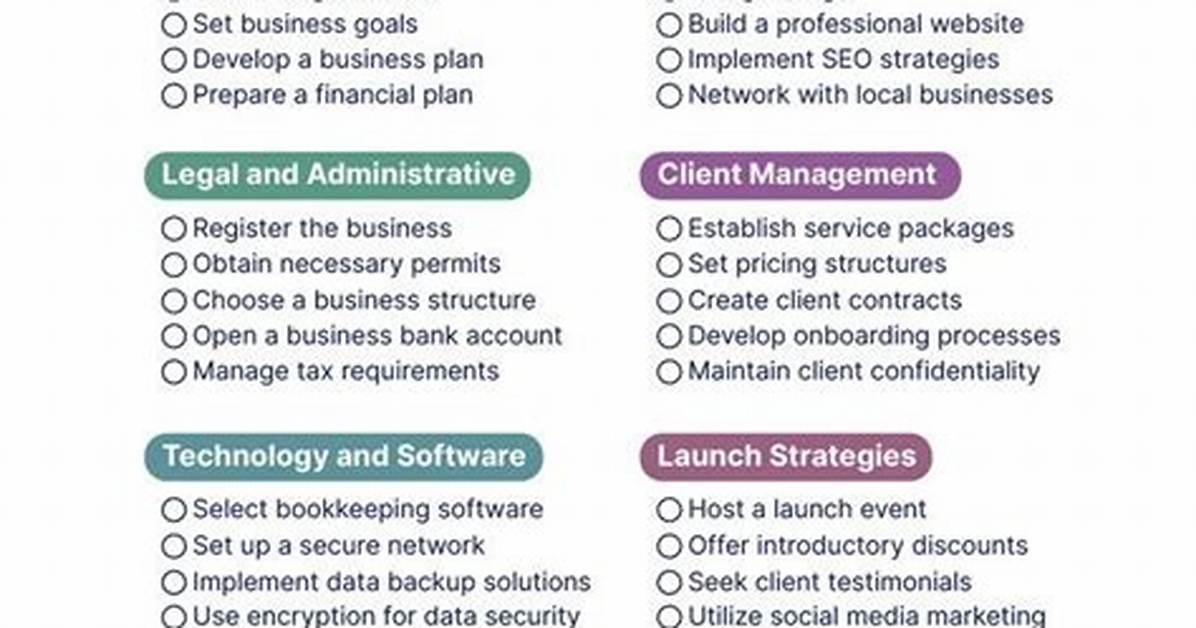
Are you interested in starting a bookkeeping business? With the growing demand for accurate financial record-keeping, now is a great time to venture into this lucrative field. Whether you have a background in accounting or are passionate about numbers, starting a bookkeeping business can be a rewarding and profitable endeavor.
In this article, we will guide you through the essential steps to launch a successful bookkeeping business in 2024. From registering your business to marketing your services, we will provide you with valuable tips and insights to help you establish yourself in the industry.
Key Takeaways:
- Starting a bookkeeping business can be a lucrative and rewarding venture.
- Registering your business and creating a solid business plan are crucial first steps.
- Choosing the right software and pricing your services appropriately are key considerations.
- Obtaining relevant certifications and joining professional associations can enhance your credibility.
- Effective marketing strategies and maintaining positive client relationships are essential for success.
Bookkeeper Duties and Responsibilities
As a bookkeeper, you play a crucial role in managing a company’s financial records and ensuring its financial stability. Your tasks encompass a wide range of bookkeeping duties and responsibilities, all aimed at maintaining accurate financial records and providing insightful financial analysis. Let’s explore some of the common bookkeeping responsibilities you’ll undertake:
1. Documenting and Categorizing Transactions
One of the primary tasks of a bookkeeper is to meticulously record and categorize all financial transactions. This involves entering data regarding sales, purchases, expenditures, and income into the accounting system. By maintaining detailed transaction records, you help businesses stay organized and ensure that financial information is readily available for future use or analysis.
2. Managing a Company’s Finances Using Accounting Software
Modern bookkeeping relies heavily on accounting software to streamline financial management processes. As a bookkeeper, you’ll be responsible for utilizing accounting software effectively to record transactions, reconcile accounts, and generate financial reports. Familiarity with popular software such as QuickBooks and Xero will enable you to efficiently manage a company’s finances and ensure accuracy in financial record keeping.
3. Assessing Cash Flow
Monitoring and managing cash flow is crucial for any business’s financial health. As a bookkeeper, you’ll regularly analyze a company’s cash flow by tracking inflows and outflows of cash. By providing timely insights into cash availability and identifying potential cash flow issues, you contribute to informed financial decision-making and help businesses maintain adequate liquidity.
4. Preparing Financial Statements
Financial statements provide a snapshot of a company’s financial performance and are essential for both internal and external stakeholders. Your responsibility as a bookkeeper is to prepare accurate and comprehensive financial statements, such as balance sheets, income statements, and cash flow statements. These statements provide crucial insights into a company’s financial position, profitability, and overall performance.
5. Financial Record Management
Accurate and up-to-date financial record management is vital for businesses to comply with legal and regulatory requirements. You’ll be responsible for maintaining organized and accessible financial records, including receipts, invoices, bank statements, and other financial documents. This ensures transparency, facilitates auditing, and helps businesses make informed financial decisions.
By diligently performing these bookkeeping tasks, you contribute to the financial stability and success of businesses. Your role as a bookkeeper is invaluable in maintaining accurate financial records, providing critical financial insights, and supporting informed business decisions.
Certifications and Associations for Your Bookkeeping Business
Obtaining certifications in financial platforms such as QuickBooks or completing training programs can greatly enhance your credibility as a bookkeeping professional. It demonstrates your proficiency in utilizing industry-standard software and your commitment to staying up-to-date with the latest practices. Additionally, joining professional bookkeeping associations can provide you with valuable resources, networking opportunities, and access to industry-specific knowledge.
Bookkeeping Certifications
Acquiring bookkeeping certifications can significantly boost your professional standing and set you apart from the competition. One highly recognized certification is becoming a Certified Public Bookkeeper (CPB) through the National Association of Certified Public Bookkeepers (NACPB). This certification validates your expertise in managing financial records, performing bookkeeping tasks accurately, and adhering to professional ethics.
Another essential certification is becoming a QuickBooks Certified ProAdvisor, which demonstrates your proficiency in using QuickBooks accounting software. This certification allows you to provide expert guidance to clients using QuickBooks and showcases your in-depth knowledge of the software’s features and functionalities.
Remember, these certifications not only give you additional credibility but also indicate to potential clients that you have the skills and expertise needed to handle their bookkeeping needs.
Professional Bookkeeping Associations
Professional bookkeeping associations offer a wealth of resources, support, and networking opportunities for bookkeepers. Being a part of these associations can not only provide you with access to industry news and best practices but also allow you to network with other professionals in the field, potentially leading to referrals and new clients. Two prominent associations in the bookkeeping industry are:
- The American Institute of Professional Bookkeepers (AIPB): AIPB offers a certification program and resources for bookkeepers, including webinars, training materials, and a community forum. Being a member of AIPB provides recognition and demonstrates your commitment to professionalism in the field.
- The National Association of Certified Public Bookkeepers (NACPB): NACPB offers the Certified Public Bookkeeper (CPB) certification mentioned earlier. Joining NACPB allows you to connect with other certified bookkeepers, access educational resources, and stay up-to-date with industry trends.
By joining these professional associations, you can enhance your professional network, gain access to valuable tools and resources, and showcase your commitment to maintaining professional standards in the bookkeeping industry.
Attaining relevant certifications and joining professional associations can significantly contribute to your success as a bookkeeper. These credentials and affiliations not only validate your expertise but also provide you with ongoing support and opportunities for professional growth.

