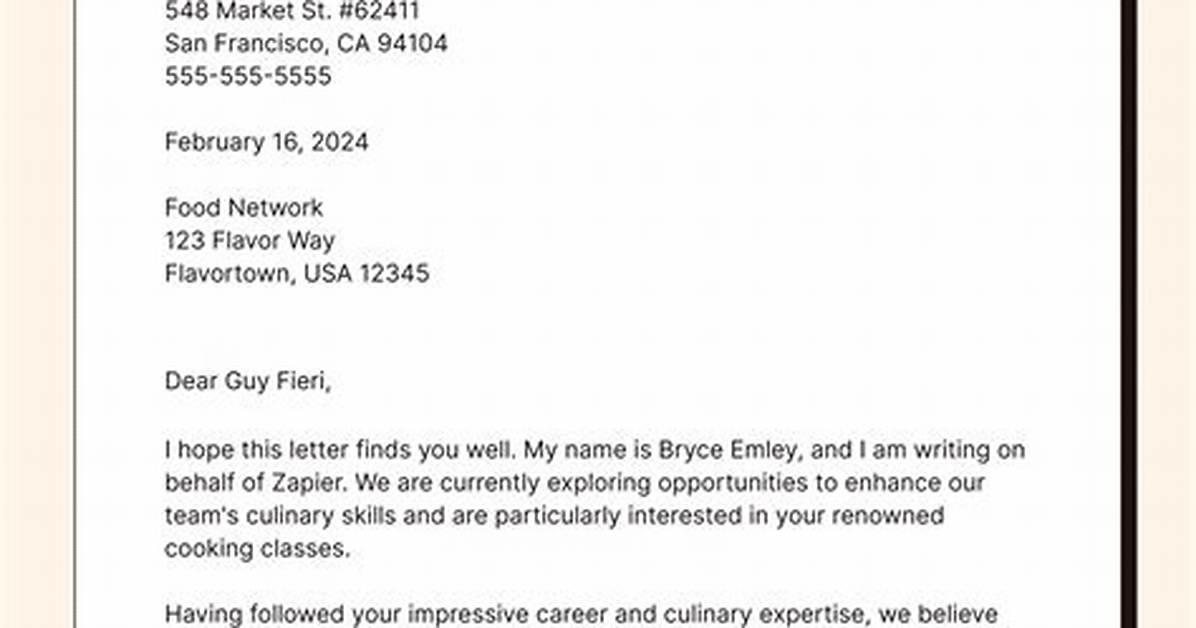
Welcome to our guide on how to write a professional and effective business letter. Crafting a well-written business letter is essential for maintaining clear and organized communication in the professional world. Whether you need to correspond with clients, colleagues, or potential employers, following proper business letter etiquette will ensure that your message is delivered with clarity and professionalism.
Key Takeaways:
- Writing a business letter requires attention to detail and a clear structure.
- Including essential components like the sender’s address, date, inside address, salutation, body, closing, and enclosures are crucial for a well-rounded business letter.
- The body of the letter should be concise, organized, and tailored to the specific purpose and audience.
- Choosing an appropriate closing, leaving space for your signature, and ensuring the accurate presentation of enclosures are vital closing and signature steps.
- Formatting your business letter correctly, proofreading for errors, and paying attention to appearance enhance its professionalism.
Parts of a Business Letter
Creating a professional and effective business letter involves including specific elements that follow a proper format. These elements ensure clarity and professionalism in your communication.
- Sender’s address: This should be placed at the top of the letter, either in the letterhead or one line above the date if no letterhead is used. It provides the recipient with the sender’s contact information.
- Date: The date line indicates when the letter was written. It is important to use the American date format, including the month, day, and year.
- Inside address: This includes the recipient’s address and should be left-justified. It helps ensure that the letter reaches the intended recipient.
- Salutation: The salutation is the greeting you use to address the recipient. It is important to use the appropriate title and last name, followed by a colon (e.g., “Dear Mr. Smith:”).
- Body: The body of the letter contains the main message or content. It should be concise, well-organized into paragraphs, and clearly communicate the purpose of the letter.
- Closing: The closing is a formal way to end the letter. Common closing phrases include “Sincerely” or “Yours truly,” followed by a comma.
- Enclosures: If you are including any additional documents with the letter, they should be listed under the enclosures section. This informs the recipient of any attachments.
By including these parts in your business letter, you can ensure that your communication is professional, organized, and effective.
Sender’s Address and Date
When writing a business letter, it is important to include the sender’s address and the date. The sender’s address should be positioned at the top of the letter, either in the letterhead or one line above the date if no letterhead is used. This allows the recipient to easily identify the sender and respond accordingly.
If you have a letterhead, it should display your company name, logo, and address. However, if you don’t have a letterhead, you can simply type your address at the top of the letter. It is essential to provide accurate contact information to establish credibility and facilitate communication.
The date line should indicate the date the letter was written. In the United States, the proper format for the date is month, day, and year. For example, if you are writing a letter on June 15, 2022, you would write it as “June 15, 2022.” Using the correct date format ensures clarity and consistency in business correspondence.
| Elements of a Business Letter | Placement |
|---|---|
| Sender’s Address | Below the company letterhead or one line below the date if no letterhead is used. |
| Date | One line below the sender’s address or letterhead. |
Including the sender’s address and date in a business letter is a fundamental aspect of professional communication. These details help establish a formal tone and provide essential information for the recipient. By following these business letter guidelines, you can ensure that your correspondence is clear, organized, and reflects your commitment to professionalism.

