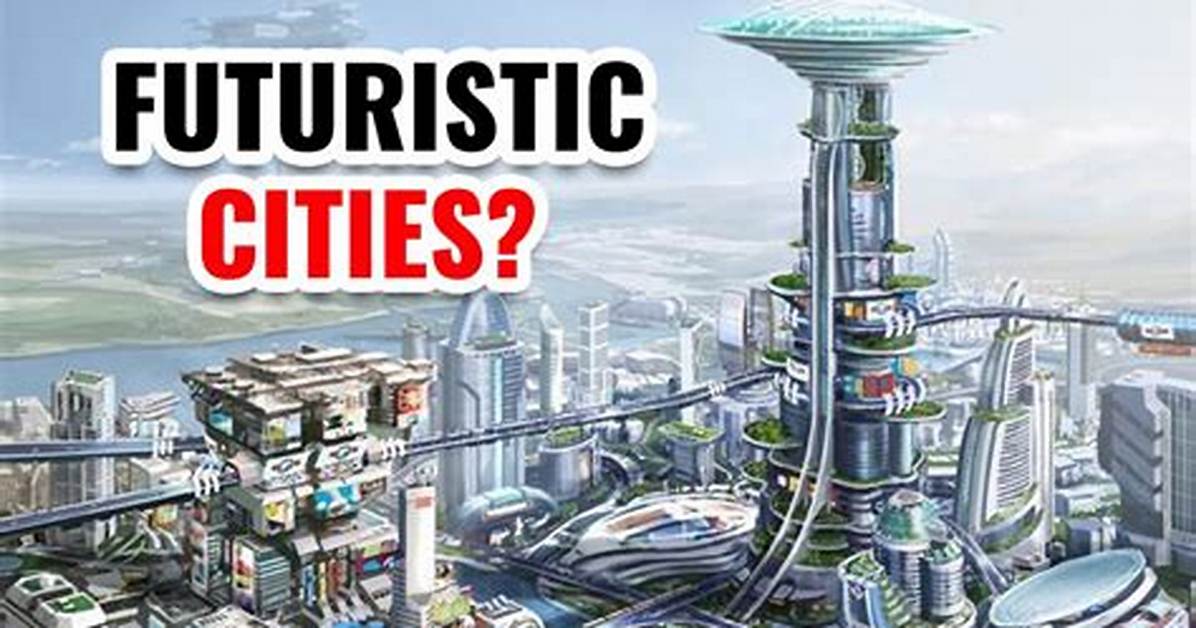
Architects and urban planners are embracing the challenge of designing futuristic cities. These cities are often characterized by sustainable infrastructure, smart technology, and cutting-edge urban planning. They offer a glimpse into the future of urban living and are set to change the world landscape. Let’s explore some of the most innovative proposals and projects for futuristic cities in 2024.
Key Takeaways:
- Most futuristic cities are characterized by sustainable infrastructure and smart technology.
- These cities offer a glimpse into the future of urban living.
- Architects and urban planners are designing innovative projects to create these cities.
- Futuristic cities aim to change the world landscape and improve the quality of urban living.
- The cities mentioned in this article are just a few examples of the innovative urban centers that are being developed.
The Line, Saudi Arabia
The Line is a planned sustainable city located in Neom, Saudi Arabia. Spanning a length of 170 kilometers, it is envisioned as a model for nature preservation and enhanced human livability. This innovative city will take the form of a slim, linear structure, with a width not exceeding 200 meters. Its design will prioritize sustainability, featuring green spaces, renewable energy sources, and cutting-edge infrastructure. The Line aims to redefine urban living and set new standards for sustainable cities.
One of the key aspects of The Line is its commitment to preserving the surrounding natural environment. By adopting a linear design, the city ensures minimal disruption to the surrounding natural ecosystems. This unique approach allows for the conservation and protection of the diverse flora and fauna that exist in this region.
Transportation within The Line is set to be revolutionized with a high-speed transport system. Residents and visitors will have convenient access to different parts of the city, ensuring efficient connectivity. This sustainable mobility solution will not only reduce commute times but also minimize carbon emissions, contributing to a cleaner and greener environment.
The Line’s commitment to sustainability extends beyond infrastructure and transportation. The city aims to be a beacon of sustainable living, providing its residents with a high quality of life while minimizing its ecological footprint. With sustainable housing, efficient waste management systems, and renewable energy sources, The Line sets an example for future cities seeking a balance between modern urban living and environmental stewardship.
“The Line represents a bold vision for the future of urban planning, where sustainability and livability are integrated into every aspect of city design. It offers a unique opportunity to demonstrate how cities can coexist harmoniously with nature, while meeting the needs of its residents.” – Urban Planner
Through its visionary approach and commitment to sustainable development, The Line in Neom, Saudi Arabia, aims to reshape our perception of cities and pave the way for a more sustainable future.
Telosa, USA
Telosa is a proposed sustainable city in the USA, designed by Bjarke Ingels Group. It is the vision of billionaire entrepreneur Marc Lore, who wants to create the most sustainable city in the world. The city will be built from scratch in the US desert and will prioritize resident welfare and quality of life. Telosa aims to be a 15-minute city, where all amenities are within a 15-minute commute from residents’ homes. It will utilize renewable energy and prioritize pedestrian-friendly design.
Key Features of Telosa:
- Sustainable infrastructure
- Renewable energy utilization
- Pedestrian-friendly design
- Resident welfare and quality of life prioritization
“Our vision is to create a city that serves as a model for future urban living, integrating technology, sustainability, and community,” says Marc Lore.
With its innovative approach, Telosa aims to address many of the challenges faced by traditional cities, such as pollution, traffic congestion, and lack of green spaces. By creating a sustainable and interconnected community, Telosa strives to provide its residents with a high quality of life while minimizing the environmental impact.
| Benefits of Telosa | Challenges Addressed |
|---|---|
| Enhanced resident well-being | Reduced pollution |
| Efficient and sustainable transportation | Decreased traffic congestion |
| Access to amenities within a short commute | Improved quality of life |

