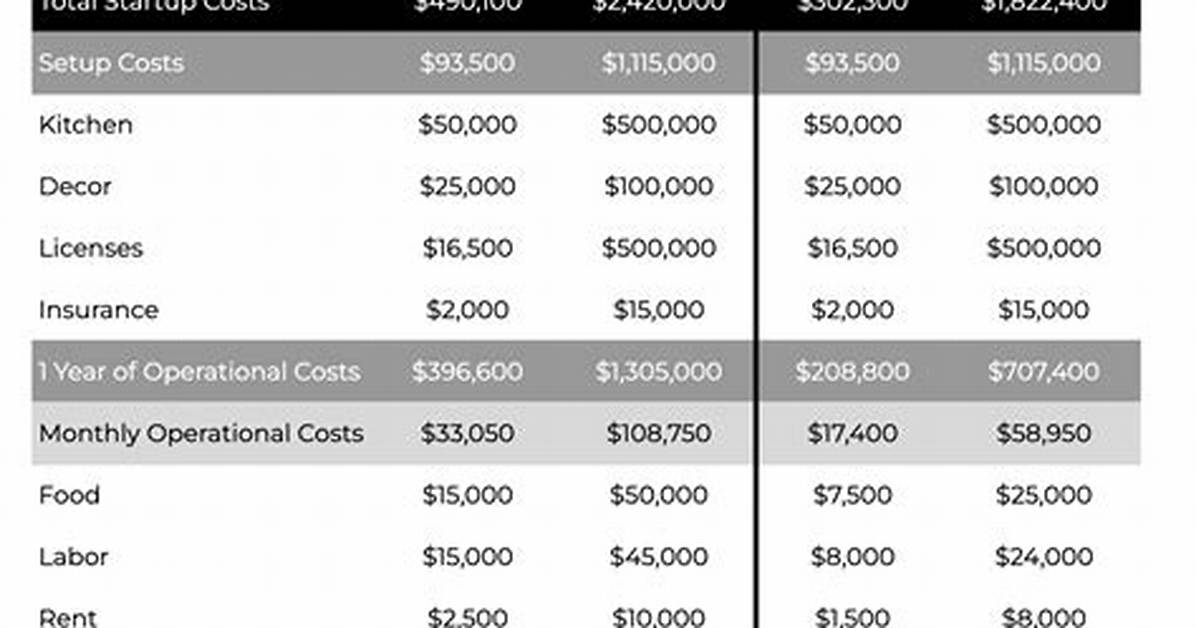
Starting a business may be an exciting process, but it costs money. When determining business startup costs, it’s important to be realistic. Things like office space, legal fees, payroll, business credit cards, and other organizational expenses can really add up. It’s possible to start a business with a small initial investment (as little as $100) depending on what it is. However, other businesses, like brick-and-mortar shops or those with W-2 employees, could cost thousands of dollars (even hundreds of thousands) for location, inventory, payroll, equipment, rent, and more. According to the U.S. Small Business Administration, most microbusinesses cost around $3,000 to start, while most home-based franchises cost $2,000 to $5,000. Experts recommend having six months’ worth of fixed costs on hand at startup and covering expenses in the first month. Underestimating costs can lead to business failure, so it’s crucial to be thorough in planning and budgeting.
Key Takeaways:
- Starting a business requires a realistic assessment of startup costs.
- Small businesses can be started with as little as $100, but costs can escalate for brick-and-mortar shops.
- Microbusinesses typically cost around $3,000 to start, while home-based franchises cost $2,000 to $5,000.
- Experts recommend having six months’ worth of fixed costs on hand at startup and covering expenses in the first month.
- Underestimating costs can jeopardize the success of the business, so careful planning and budgeting are essential.
How to Plan for Startup Costs
When embarking on a new business venture, it’s essential to plan and budget for startup costs. By taking the time to estimate and allocate funds, entrepreneurs can set realistic financial expectations and ensure the smooth operation of their business.
Here are some key steps to consider when planning for startup costs:
- Start Small and Test: Before diving into significant financial commitments, it’s wise to start small and test your business idea in a small, inexpensive way. This will allow you to gauge its potential success and make adjustments as needed.
- Differentiate Costs: Differentiate between one-time and ongoing costs, essential and optional costs, and fixed and variable costs. This will help you prioritize expenses and allocate your budget effectively.
- One-time Expenses: One-time expenses are those that are relevant mainly during the startup process, such as incorporating a company or obtaining necessary licenses. It’s crucial to account for these costs upfront.
- Ongoing Expenses: Ongoing expenses are regular payments that need to be made to keep the business running smoothly. These can include rent, utilities, salaries, marketing expenses, and more.
- Essential vs. Optional Costs: Distinguish between essential costs that are necessary for the growth and operation of your business and optional costs that can be made if your budget allows.
- Fixed vs. Variable Costs: Fixed costs, such as rent, remain consistent from month to month, while variable costs fluctuate depending on factors like sales volume or production levels. Understanding the difference is crucial for budgeting and financial planning.
- Cash Flow Projection: Project your cash flow for at least the first three months of your business’s life, considering both fixed and estimated costs. This will help you anticipate any potential cash flow issues and make necessary adjustments.
- Funding Options: Explore various funding options and avoid excessive borrowing if possible. Seek alternative financing methods, such as bootstrapping or exploring grants and investors.
- Accounting Software: Utilize accounting software to track expenses and maintain accurate records. This will assist you in monitoring your financials and making informed decisions.
- Professional Consultants: Consider working with professional consultants or advisors in areas where expertise is needed. They can provide guidance and assist with financial planning, legal matters, or other critical aspects of your business.
By following these steps and considering all aspects of financial planning for your startup, you can set yourself up for success and navigate the challenges of starting a business more effectively.
Determining Financing Methods
Once you’ve determined the startup costs and projected your cash flow for your new business, it’s time to think about financing. Funding your startup can come from various sources, including personal savings, loans from family and friends, government grants, and bank loans. Let’s explore these different financing methods in more detail:
Personal Savings
Using personal savings to finance your startup is a common method for many entrepreneurs. It allows you to maintain control and ownership of your business without relying on external sources of funding. However, it’s important to carefully evaluate your savings and consider the risks involved in investing a significant portion of your personal funds.
Loans from Family and Friends
Another option is to seek financial assistance from family members or close friends. This can be a more flexible option compared to traditional bank loans as the terms and conditions can be negotiated based on your relationship. However, it’s essential to approach these arrangements in a professional manner and clearly outline the terms and expectations to avoid any misunderstandings or strained relationships.
Government Grants
The government offers grants to support small businesses and startups in various industries. These grants can provide valuable funding without the burden of repayment. Research and identify grant programs applicable to your business sector and explore the eligibility criteria and application process. Government grant programs may have specific requirements, so ensure that your business aligns with the program’s objectives.
Bank Loans
Bank loans are a common source of financing for startups and small businesses. Banks offer different types of loans, such as term loans, lines of credit, and Small Business Administration (SBA) loans. Each type of loan has its own terms, interest rates, and repayment schedules. It’s important to compare the options available, understand the terms and conditions, and prepare a comprehensive business plan to increase your chances of securing a bank loan.
Business Credit and Angel Investors
As your business grows, you may establish business credit, which can provide access to lines of credit or loans. This can be a useful source of funding to cover unexpected expenses or finance expansion plans. Additionally, angel investors are individuals or groups who provide capital in exchange for equity in your business. These investors often bring industry knowledge and expertise along with their funding. Building strong relationships with potential angel investors and showcasing your business’s unique value proposition can help secure their support.
“The right financing method for your startup will depend on your specific circumstances, business plan, and industry. It’s important to explore multiple options, research the terms and requirements, and consider professional advice to make informed decisions.”
| Funding Source | Description |
|---|---|
| Personal Savings | Using your own savings to fund your startup. |
| Loans from Family and Friends | Borrowing money from close acquaintances to finance your business. |
| Government Grants | Financial assistance provided by the government to support startups and small businesses. |
| Bank Loans | Receiving funding from banks through various loan options. |
| Business Credit and Angel Investors | Using established business credit or securing investments from angel investors to finance your startup. |

