Have you ever wondered how WhatsApp, the popular messaging app, generates revenue and sustains its operations? In this article, we will explore the various monetization strategies employed by WhatsApp to uncover the secret behind its financial success.
WhatsApp’s revenue model has evolved significantly over the years. Previously, the app used a subscription-based approach, charging users a nominal fee of $1 per year after the first year. However, in 2016, WhatsApp made the app completely free and began exploring new avenues for generating income.
Currently, WhatsApp generates revenue through its WhatsApp for Business API. This service allows businesses to connect with their customers on WhatsApp and provides charging mechanisms for certain features, such as slow replies to customer messages.
In addition to the Business API, WhatsApp has also introduced a payments feature in India, with plans to expand it globally. This feature enables users to send and receive money within the app, further contributing to WhatsApp’s revenue generation.
Furthermore, WhatsApp is looking to monetize its popular Status feature by allowing businesses to advertise and promote their products. This move opens up new possibilities for revenue generation while ensuring a seamless user experience.
Key Takeaways:
- WhatsApp used to charge a subscription fee but now generates revenue through its WhatsApp for Business API and payments feature.
- The Business API allows businesses to connect with customers and charge for certain features.
- The payments feature enables users to send and receive money within the app.
- WhatsApp plans to monetize its Status feature by introducing advertising and promotional opportunities for businesses.
- Despite not relying heavily on advertisements, WhatsApp has generated significant revenue for its parent company, Meta.
The Evolution of WhatsApp’s Revenue Model
Over the years, WhatsApp has evolved its revenue model, transitioning away from a subscription-based model to explore new avenues for generating income. In its early days, WhatsApp charged users a nominal fee of $1 per year after the first year of usage. However, in 2016, the company made the app free and began exploring alternative monetization methods.
One of the key revenue streams for WhatsApp is the WhatsApp for Business API. This service allows businesses to communicate with their customers on the platform and provides additional features to enhance customer support. Businesses are charged for certain features, such as slow replies to customer messages, providing a steady source of income for WhatsApp.
In 2018, WhatsApp introduced its payments feature in India, enabling users to send and receive money directly through the app. This move not only aimed to tap into the growing digital payments market but also provided WhatsApp with another potential revenue stream. With plans for global expansion, the payments feature holds significant potential for WhatsApp to further monetize its platform.
Furthermore, WhatsApp is exploring the potential for businesses to advertise and promote their products through the popular Status feature. This move would open up new opportunities for revenue generation without compromising the user experience. By allowing businesses to reach a wider audience through targeted advertisements, WhatsApp can leverage its massive user base to generate additional income.
| Year | WhatsApp Revenue |
|---|---|
| 2020 | $4.9 billion |
| 2021 | $8.7 billion |
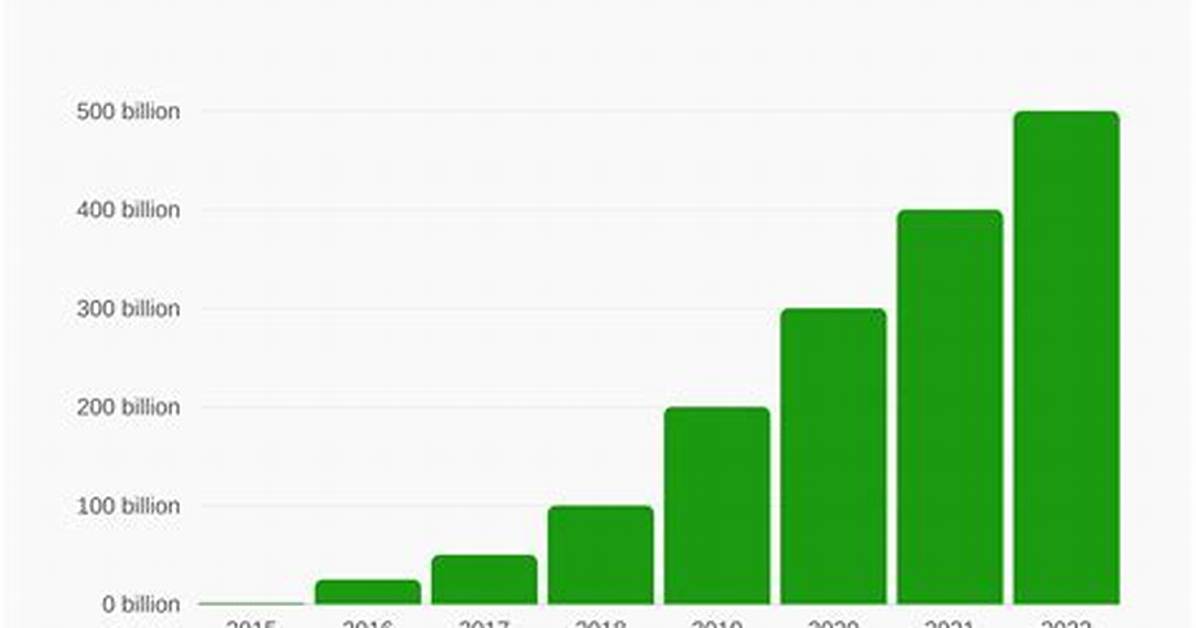
Despite not relying heavily on advertisements, WhatsApp has contributed significantly to its parent company, Meta (formerly Facebook), in terms of revenue generation. In 2021 alone, WhatsApp generated a remarkable $8.7 billion in revenue, highlighting the success of its evolving monetization strategies.
The WhatsApp for Business API
One of the key revenue streams for WhatsApp is the WhatsApp for Business API, which offers businesses the ability to enhance their customer service and communication. This powerful tool enables businesses to connect with their customers on a more personal level, providing timely support and valuable information. Through the WhatsApp for Business API, companies have access to features such as automated replies, quick response templates, and the ability to send notifications to customers.
With the WhatsApp for Business API, businesses can streamline their communication processes and improve customer satisfaction. For instance, they can send order confirmations, shipping updates, and appointment reminders directly to customers’ WhatsApp accounts. These personalized messages not only provide a convenient and efficient way of communicating, but also create a sense of trust and reliability.
In terms of monetization, WhatsApp charges businesses for slow replies to messages sent through the API. This incentivizes companies to respond to customer inquiries promptly, ensuring a high level of customer service. By creating a system that values efficient communication, WhatsApp not only benefits from increased revenue but also fosters positive customer experiences.
| Feature | Description |
|---|---|
| Automated Replies | Set up automated responses to common queries, providing quick and accurate information to customers. |
| Quick Response Templates | Create pre-defined message templates for frequently asked questions, ensuring consistent and efficient replies. |
| Notifications | Send timely updates and reminders to customers, keeping them informed about important events and activities. |
With its innovative WhatsApp for Business API, WhatsApp has opened up new avenues for revenue generation while simultaneously empowering businesses to deliver exceptional customer service. As the demand for instant and personalized communication continues to grow, the WhatsApp for Business API remains a valuable tool for businesses and a vital revenue stream for WhatsApp.

