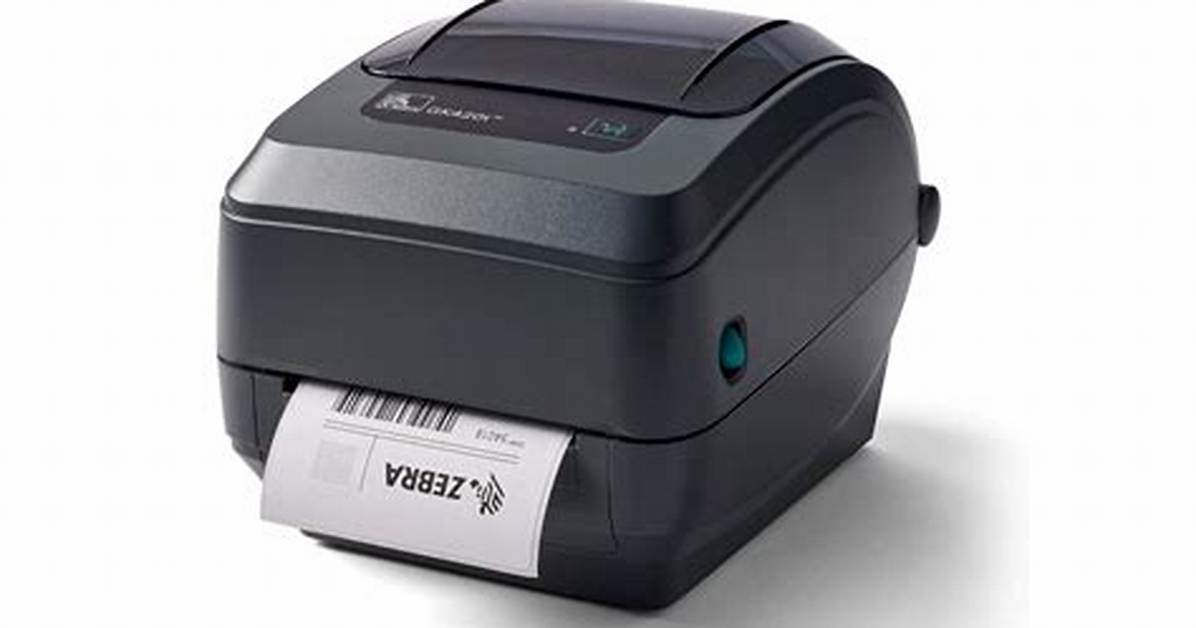
Among the best printers, you’ll mostly commonly find inkjet and laser models. Lesser-known are thermal printers, which use different technology to lower costs dramatically, depending on what you print and how frequently.
What is a thermal printer?
A thermal printer is often the type used for receipts from the grocery store. The post office might use a thermal printer to print labels. Warehouses often use thermal printers for barcodes to identify products and quickly take inventory.
Thermal printers are commonplace in the business world where monochrome printers work well, but personal printers often feature color. A thermal printer might be the right choice for a home office, possibly as a secondary printer. Thermal printers are often much faster than inkjet and laser printers, making them ideal for business uses.
How does a thermal printer work?
Based on the name, you might already realize that thermal printers use heat to imprint text and graphics onto paper. The more interesting question is how heat can print on paper.
Thermal printers are typically energy-efficient, quiet, fast, and easy to maintain. The only moving parts are the paper and, in some cases, the ribbon. There’s no need for alignment, and maintenance requirements are minimal. Thermal printers work by using pressure and heat on the printhead that’s applied directly to the surface of the paper. This treatment makes the final print more robust and detailed, so it’s ideal for fine details like barcodes and shipping labels.
There are two types of thermal printers, both cost-effective. Direct thermal has the lowest running cost, but thermal transfer has certain advantages that can be essential.

