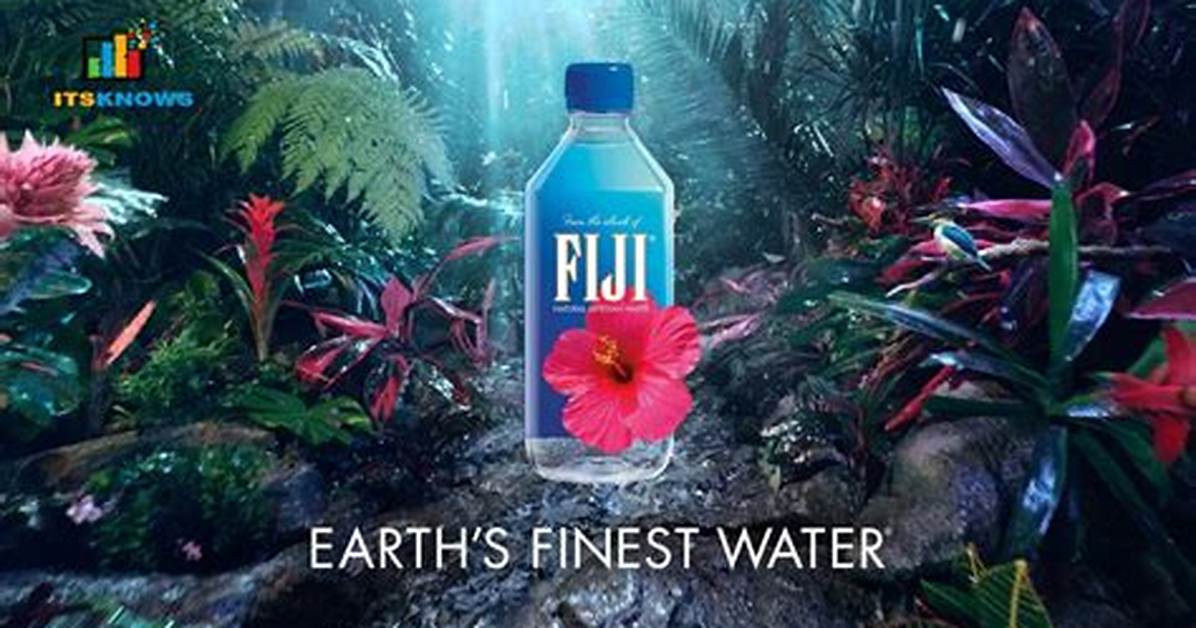
Fiji Water is a renowned brand of premium bottled water that originates from the pristine shores of Fiji. Since its establishment in 1996, Fiji Water has gained recognition for its commitment to providing high-quality water sourced from an underground aquifer in the Yaqara Valley of Viti Levu, the largest island in Fiji. This popular brand has a fascinating history, starting with its founder and eventually transitioning into the hands of its current owners.
Key Takeaways:
- Fiji Water is a well-known brand that offers premium bottled water sourced from Fiji.
- The company was founded in 1996 and has gained popularity for its commitment to quality water.
- The initial founder of Fiji Water was Canadian businessman David Gilmour.
- In 2004, Roll Global (now known as The Wonderful Company) acquired Fiji Water.
- The Resnick family, specifically Stewart and Lynda Resnick, are the current owners of Fiji Water.
The History of Fiji Water
Fiji Water, a renowned brand in the bottled water industry, has a fascinating history that dates back to 1996. It all began when Canadian businessman David Gilmour founded the company under the name Natural Waters of Viti Ltd.
In 2004, Fiji Water caught the attention of the Resnick family’s company, Roll Global, who saw the potential in this premium bottled water brand. The Resnicks’ acquisition of Fiji Water for a reported $50 million gave the brand a new direction and opened doors to significant growth and success.
Roll Global, now known as The Wonderful Company, is a prominent holding company that owns other well-known brands such as Teleflora, POM Wonderful, and Suterra. With their expertise and resources, Fiji Water flourished and positioned itself as a leader in the industry.
The acquisition marked a turning point for Fiji Water, propelling it to become an iconic brand known for its exceptional quality and commitment to delivering pristine water from the beautiful islands of Fiji to consumers worldwide.
The Founder’s Vision
David Gilmour envisioned Fiji Water as a brand that would not only provide the purest and finest drinking water but also support the local communities in Fiji. His passion for the Fijian people and their natural resources laid the foundation for Fiji Water’s commitment to sustainability and corporate social responsibility.
The sequel follows…
The Controversies Surrounding Fiji Water
Fiji Water has been at the center of several controversies, raising concerns about its ownership, ethical implications, and environmental impact.
Ownership and Ethical Concerns
One of the main controversies surrounding Fiji Water is its ownership and the ethical implications of profiting from a resource that belongs to a developing country. As a company headquartered in Los Angeles, owned by the Resnick family, questions have been raised about the fairness of extracting Fiji’s water for profit.
While Fiji Water provides jobs and economic benefits to the local communities in Fiji, critics argue that the company’s ownership structure and refusal to pay increased taxes contribute to inequality and further exploit the country’s resources.
Environmental Impact and Plastic Waste
Another significant concern revolves around Fiji Water’s environmental impact. The company’s carbon footprint, resulting from shipping bottled water across the globe, is a source of worry for environmental activists. The transportation process contributes to greenhouse gas emissions and raises questions about the sustainability of such operations.
In addition, Fiji Water’s use of plastic bottles has drawn criticism due to the potential environmental consequences associated with plastic waste. The production and disposal of single-use plastic bottles contribute to pollution and pose a threat to marine life.
Complicity and Transparency
There are concerns about Fiji Water’s relationship with the Fijian government and whether the company acts as a willing participant in any unfair practices. Critics argue that Fiji Water’s refusal to pay increased taxes, despite its lucrative operations, suggests potential complicity in policies that may not benefit the entirety of Fiji’s population.
Furthermore, Fiji Water has faced scrutiny regarding its transparency. Questions have been raised about the company’s environmental initiatives and its commitment to offsetting its carbon footprint. The doubts surrounding the company’s transparency exacerbate concerns about its ethical practices.
| Controversies | Concerns |
|---|---|
| Ownership and Ethics | Profit from a developing country |
| Environmental Impact | Carbon footprint and plastic waste |
| Complicity and Transparency | Fijian government relations and lack of transparency |

